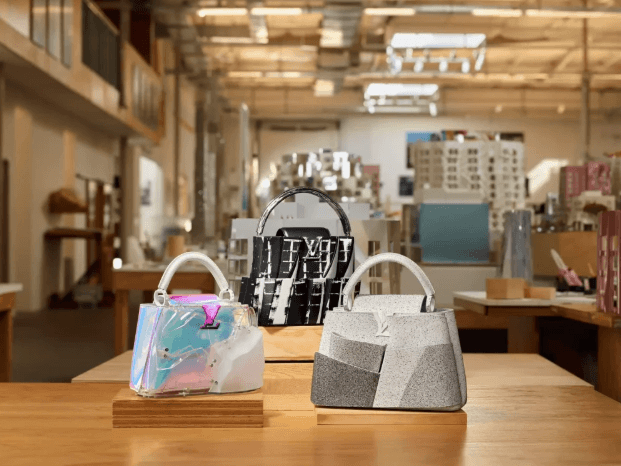
Architectural Inspiration in Clothing Design
Architectural inspiration in clothing design frames garments as spatial projects, translating structure into wearable form. Designers map lines, grids, and volumes to silhouettes, seams, and drape, yielding disciplined yet expressive shapes. Materials function as tactile façades, offering texture, mass, and weight to reinforce concept. Case studies reveal how facades inspire modular blocks or angular cuts, while narrative framing ties urban environments to couture. The resulting dialogue between function and fashion poses a critical question: what remains when architecture becomes attire, and attire becomes architecture?
How Architecture Inspires Garment Structure
Architecture provides a structural vocabulary that designers translate into garment form, with volume, silhouette, and seam logic mirroring architectural concepts. The approach analyzes how built environments inform proportion, tension, and gravity, shaping garment performance within urban fabric. Evidence indicates that engineered drape and zoned stiffness create sculpted drape effects, enabling flexible, contextual expression while preserving function, rhythm, and wearer autonomy.
Translating Lines, Grids, and Volumes Into Silhouette
Throughlines from lines, grids, and volumes established in architectural practice map directly onto garment silhouette, providing a framework for proportion, alignment, and massing. The analysis notes how angle lines establish directional emphasis, while grid volumes translate into modular silhouette blocks.
Silhouette inspiration emerges from careful abstraction, where empirical measurements guide form, balance, and movement, yielding disciplined yet expressive clothing architecture.
Materials and Texture as Architectural Elements
Materials and texture function as primary architectural cues in garment design, translating surface properties into tactile and visual mass that influence perception of structure and movement. The analysis notes texture contrast as a tool for delineating planes and hierarchy, while material cohesion undergirds durability and form. Contextual evidence from contemporary collections suggests cohesive textures enhance architectural intent without sacrificing wearer flexibility.
Case Studies: From Facades to Fashion Statements
Could facades translate into fashion statements, or do they merely inspire superficial echoes? Case studies reveal variability across designers: some translate formal rhythms into silhouettes; others extract material logic for durable garments. Contextual evidence shows critical dialogue between architecture’s function and couture’s expression. two word idea1, two word idea2. In these examples, viewers interpret façades as architectural cues shaping intentional, cohesive fashion narratives.
Frequently Asked Questions
How Do Architectural Timelines Influence Fashion Collections?
Timelines shape silhouettes and eras influence palette; architectural timelines guide designers by revealing rapid or gradual shifts in form, texture, and color. The analysis suggests collections echo historical phases, translating archival rhythms into contemporary, contextually grounded sartorial narratives for a free-spirited audience.
Can Sustainable Building Practices Guide Fabric Sourcing?
Sustainable building practices can guide fabric sourcing, countering skepticism with evidence that recycling and certified materials reduce environmental footprints; sustainable sourcing aligns with circular design, while building materials knowledge informs fiber selection, supplier transparency, and lifecycle assessments for freer, responsible creativity.
see also: The Role of Technology in Education Platforms
What Role Do Architectural Failures Teach Garment Resilience?
Architectural missteps reveal garment resilience by highlighting failure modes and recovery strategies; they inform structural resilience in textiles, encouraging adaptable design, robust seam work, and redundancy. Contextualized evidence shows iterative testing strengthens performance under diverse stressors. Freedom-minded analysis persists.
How Do Cultural Motifs in Architecture Translate to Fashion Storytelling?
Cultural motifs translate through architectural storytelling into fashion collections, aligning architectural timelines with garment resilience; ethical considerations, sacred forms, and architectural failures inform sustainable practices, fabric sourcing, and broader cultural narratives, evidenced by contextualized, analytic, freedom-seeking audiences.
Are There Ethical Considerations When Borrowing Sacred Architectural Forms?
Ethical borrowing requires sensitivity, accountability, and informed collaboration; sacred forms demand consent, translation, and context. Designers should evaluate impact, provenance, and power dynamics, ensuring respectful representation while balancing creative freedom with obligations to communities and historical integrity.
Conclusion
Architecture shapes garment architecture, with grids, lines, and volumes quietly dictating silhouette. The conclusion might be that fashion, in borrowing façades, barely notices that wearers inhabit and move within structures rather than merely admire them. Irony suggests designers chase architectural permanence while garments remain disposable by design, yet the tension between function and form persists as proof of a disciplined, evidence-based dialogue: clothing as a portable cityscape, evolving, resilient, and paradoxically temporary.