
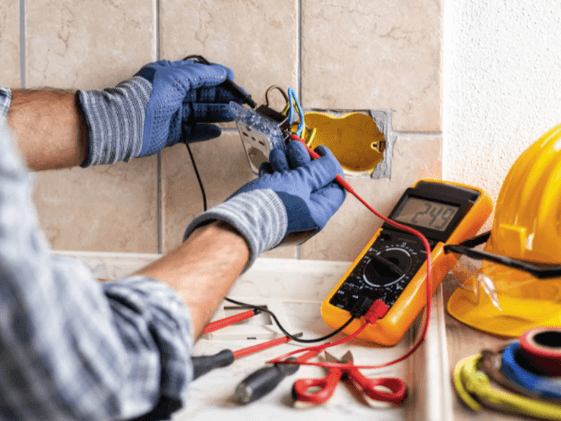
Electrical Maintenance Tips for Safety
Electrical maintenance demands disciplined procedures and clear risk awareness. Regular lockout/tagout, outage verification, and precise communications prevent shocks and equipment damage. Quick-win checks—outlets, cords, grounding, panel access—spot hazards early. Use appropriate PPE, including insulated gloves, dielectric footwear, eye protection, and arc-rated clothing. When issues exceed routine capacity, call a licensed professional to ensure compliant, durable solutions and minimal downtime. The right approach keeps risk contained and protects personnel, equipment, and operations, inviting closer scrutiny of current practices.
Why Safety Matters in Electrical Maintenance
Electrical maintenance must prioritize safety to prevent injury, equipment damage, and downtime. The section explains why safety matters, focusing on hazard avoidance and reliable operations. It emphasizes safe procedures, protective shielding, electrocution prevention, and lockout tagout compliance as core practices. Clear protocols reduce risk, empower disciplined teams, and sustain freedom to perform work with confidence and minimized exposure to danger.
Quick-Win Inspections You Can Do Today
Are there simple checks that can reduce risk immediately? Quick-Win inspections focus on identifying obvious hazards before they escalate. Critical steps include verifying outlet and cord integrity, securing loose connections, testing basic grounding awareness, and confirming clear access to panels. Document findings with precise notes. Quick win, inspection checks empower safer work habits and empower responsible owners to act with confidence.
Safe Practices and PPE for Routine Work
Safe practices and personal protective equipment (PPE) for routine work center on minimizing exposure to electrical hazards through disciplined procedures and proper gear. Workers follow lockout/tagout, verification, and clear communication to maintain safety. PPE for routinework includes insulated gloves, dielectric footwear, eye protection, and arc-rated clothing. Procedures emphasize risk assessment, hazard awareness, and disciplined adherence to established controls. Safety culture enables confident,自由-minded, hazard-aware performance.
When to Call a Pro and How to Find the Right Expert
Determining when professional intervention is required hinges on recognizing persistent or escalating hazards that exceed routine maintenance capacity. When to call a pro becomes clear: electrical shocks, burning smells, sparking outlets, or recurrent tripping indicate risk.
For finding a pro, verify licensing, insurance, and references. Trust concise assessments, transparent pricing, and methodical quotes to ensure safe, compliant, long‑term solutions.
See also: The Role of Technology in Education Platforms
Frequently Asked Questions
How Often Should Electrical Panels Be Replaced for Safety?
The replacement timelines vary, but professionals recommend panel inspections at least every 10–15 years, or after water exposure or hidden hazards are suspected; DIY warranties may not cover failures. Smart meters, professional inspections, and cautious replacement minimize risks.
Can DIY Repairs Void Manufacturer Warranties?
Bright as a spark, DIY repair can void manufacturer warranties. It may voids warranty if done improperly; professionals recommended. The policy hinges on terms; DIY repair risks non-coverage, liability, and safety hazards, potentially invalidating warranty protections.
Are Water Exposure Risks Covered in Maintenance Routines?
Water exposure risks are not fully covered by routine maintenance; managers must assess water contact potential. Water exposure can degrade insulation and create hazards, while electrical conductivity increases with moisture, necessitating prompt isolation and hazard controls.
What Are the Signs of Hidden Electrical Fire Hazards?
Hidden hazards include burning smells, discoloration, scorching marks, and unexpected tripping; electrical hotspots indicate overloaded circuits. Renewal schedules, warranty impacts, water risk management, and smart meter inspections help identify risks and prevent failures, protecting freedom and safety.
Do Smart Meters Require Routine Professional Inspections?
Yes, smart meters require routine inspections to ensure safe operation and accurate measurements. Proper smart meter installation should be verified, and routine inspections help detect degradation, loose connections, or tampering, maintaining reliability while supporting a freedom-focused, hazard-aware approach.
Conclusion
In the quiet hum of the workshop, precautions settle like a shield. The article ends with a warning tremor: routine checks reveal faults only momentarily hidden by routine. A snap decision to defer can turn a routine task into a risk, a routine plug into a shock. The reader is left on the edge—trust the protocol, invoke lockout/tagout, call a licensed pro when uncertainty arises—because safety today prevents a disaster tomorrow.