The Role of Technology in Distance Learning
Technology has become a cornerstone in the evolution of distance learning. It enhances student engagement through interactive platforms that promote active participation. These tools not only facilitate collaboration but also provide immediate feedback, fostering a sense of community among learners. As educational landscapes shift, the integration of personalized learning and emerging technologies raises intriguing questions about accessibility and effectiveness. What implications do these advancements hold for the future of education?
How Technology Enhances Student Engagement in Distance Learning
In contemporary education, technology significantly enhances student engagement in distance learning environments.
Virtual collaboration tools facilitate interactive discussions, fostering a sense of community among learners. Additionally, gamified learning experiences introduce elements of competition and reward, stimulating motivation and participation.
Together, these innovations empower students to take ownership of their education, promoting a dynamic learning experience that resonates with their desire for autonomy and connection.
The Benefits of Interactive Learning Platforms
Interactive learning platforms offer a transformative approach to education, particularly in distance learning environments.
These platforms incorporate gamified learning elements, enhancing student motivation and engagement. Furthermore, they provide real-time feedback, enabling learners to track their progress and adjust strategies accordingly.
This dynamic interaction fosters a deeper understanding of the material, empowering students to take control of their educational journeys and embrace personalized learning experiences.
Overcoming Challenges in Distance Learning With Technology
Numerous challenges arise in distance learning, yet technology offers innovative solutions to mitigate these obstacles.
Virtual collaboration tools facilitate real-time interaction among students, fostering a sense of community and engagement.
Additionally, accessibility solutions ensure that learning materials are available to all, regardless of individual needs.
Together, these technological advancements empower learners, promoting inclusivity and enhancing the overall educational experience in a digital landscape.
See also: dailynewsconsumer
The Future of Distance Learning: Trends and Innovations
As educational institutions increasingly embrace technology, the future of distance learning is poised to evolve dramatically through emerging trends and innovations.
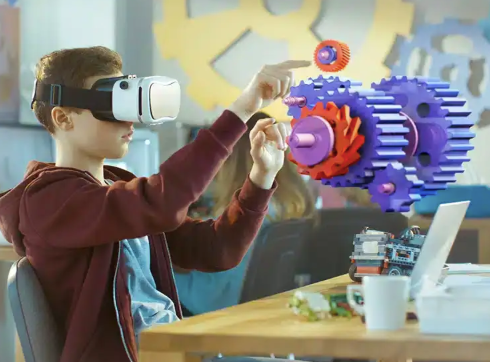
Virtual reality will create immersive learning environments, enhancing engagement and comprehension.
Additionally, personalized learning will leverage data analytics to tailor educational experiences, allowing students to progress at their own pace.
Together, these advancements promise to redefine educational accessibility and effectiveness in a rapidly changing world.
Conclusion
In conclusion, technology stands as a transformative force in distance learning, significantly enhancing student engagement and interactivity. By leveraging innovative tools, educators can create dynamic learning environments that cater to diverse needs and foster community connections. As we contemplate the future, one must ask: how might the continued evolution of technology further revolutionize education, ensuring it remains both accessible and effective? The potential for growth and improvement in distance learning is vast, promising an exciting educational landscape ahead.